A government teacher's retirement plan, built at 45
An NPS-era teacher with no old pension and no retirement number got one. We mapped his NPS, started goal SIPs, made an endowment policy paid-up and built an emergency fund.

Names changed; shared with the client's consent.
Srinivas did not know what his retirement number was, and at 45 that worried him more than he let on. He is a state government teacher who joined after the old pension scheme closed, so his retirement rests on NPS and whatever else he builds. We worked out the number, mapped what NPS would likely cover, started SIPs for the gap, made an old endowment policy paid-up once term cover was in place, and built an emergency fund. This case is for every government employee who joined after 2004 and has been told "you have NPS" as if that settles it.
Where they started
Srinivas, 45, teaches mathematics at a government high school in Nizamabad. His wife manages the home and tutors in the evenings. Their son is in Class 10, their daughter in Class 7.
He joined service in 2008, in the NPS era. He knew NPS was deducted every month. He did not know his balance, its equity and debt split, or what it might reasonably support at 60.
He had a GPF-type savings account from his department, which he treated as his real retirement fund. He had an endowment policy bought in 2012 from a relative, paying ₹36,000 a year, with a sum assured that would not cover one year of family spending. He had no term plan and no emergency fund; if something went wrong, he would borrow from the GPF-type account.
His question was simple and honest: "Will I be all right at 60?"
What we found
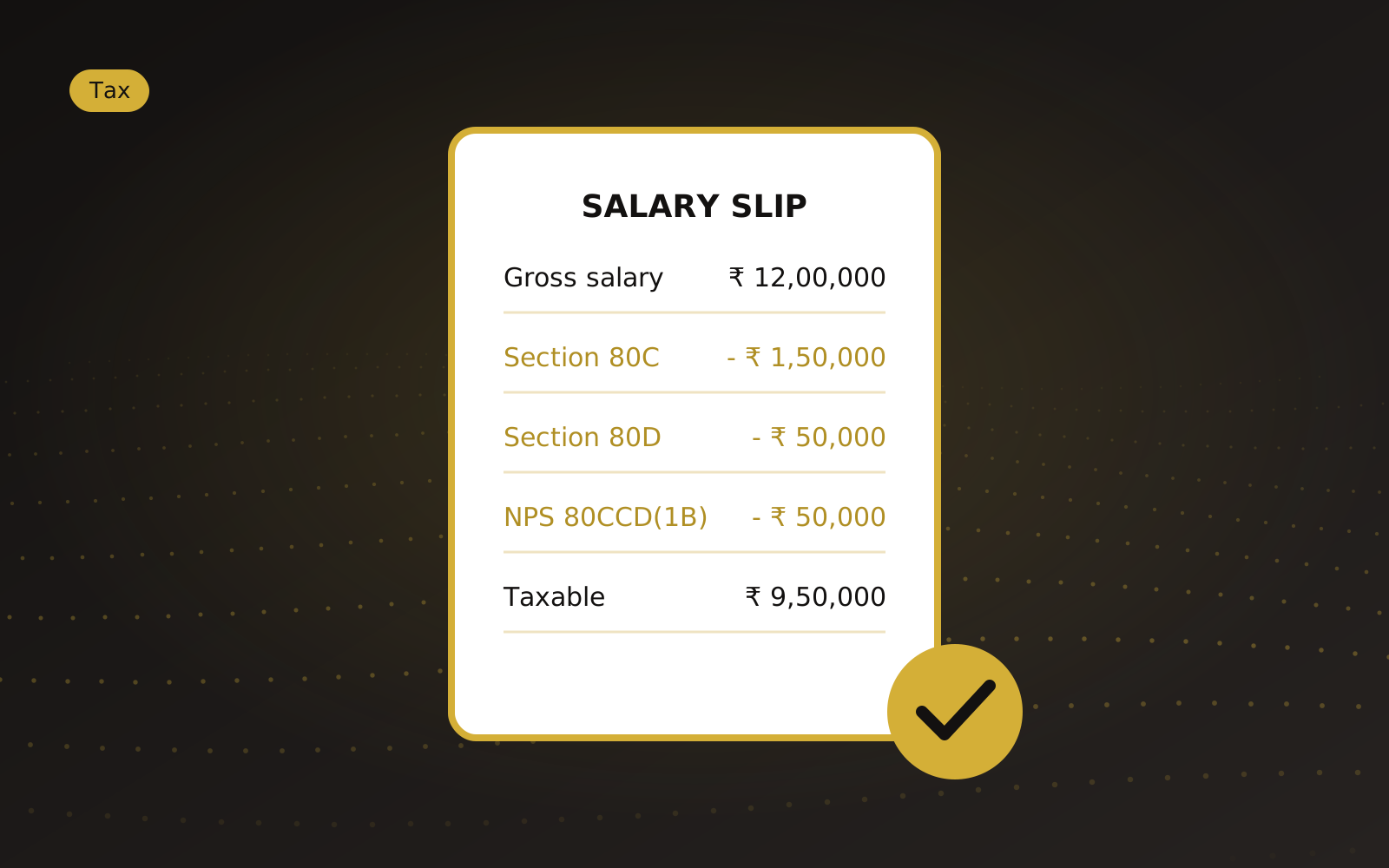
We asked for his NPS statement, GPF-type passbook, the endowment policy, a salary slip and a rough monthly budget.
Say his household spends ₹55,000 a month today. Assume modest inflation, and the monthly amount he would need at 60 is considerably higher. He had never done this arithmetic, and seeing it on paper changed the conversation.
His NPS was in the default lifecycle allocation, which was fine, though he had never chosen it. We showed him what contributions until 60 might reasonably build, using a modest assumption and a range, not a single figure. Under current rules part of the NPS corpus must go into an annuity at retirement; check the current year's rules.
The GPF-type account was smaller than he thought, because of two loans against it for a hospital stay and a house repair.
The endowment policy was the weakest piece: a large premium for little cover. But stopping it before term cover was in place would have left his family with nothing.
Worth knowing
If you joined government service after 2004, "you have NPS" is the start of a retirement plan, not the whole of it. Work out the number.
What we did
In this order, over three months.
- We wrote a retirement number: the corpus he would need at 60, after what NPS might reasonably provide, with the modest assumptions written beside it.
- We bought a term plan first, sized to his family's needs until the children are independent, at a fraction of the endowment premium.
- Only after the term plan was issued did we make the endowment paid-up. It stays in force at a reduced sum assured with no more premiums.
- The ₹36,000 a year the endowment had been eating became a monthly SIP of ₹4,000 for the retirement gap, in a mutual fund SIP chosen for a 15-year horizon.
- We started a second SIP of ₹3,000 a month for his son's college, four years away, in a more conservative option.
- We built a six-month emergency fund over eight months in a liquid option.
- We left his NPS allocation as it was, with a note to review it at 50.
He stayed in the old tax regime for now because his GPF-type contributions, term premium and NPS contribution gave him deductions under Section 80C and related sections. The new regime is the default, so he checks the current year's rules each year.
What changed
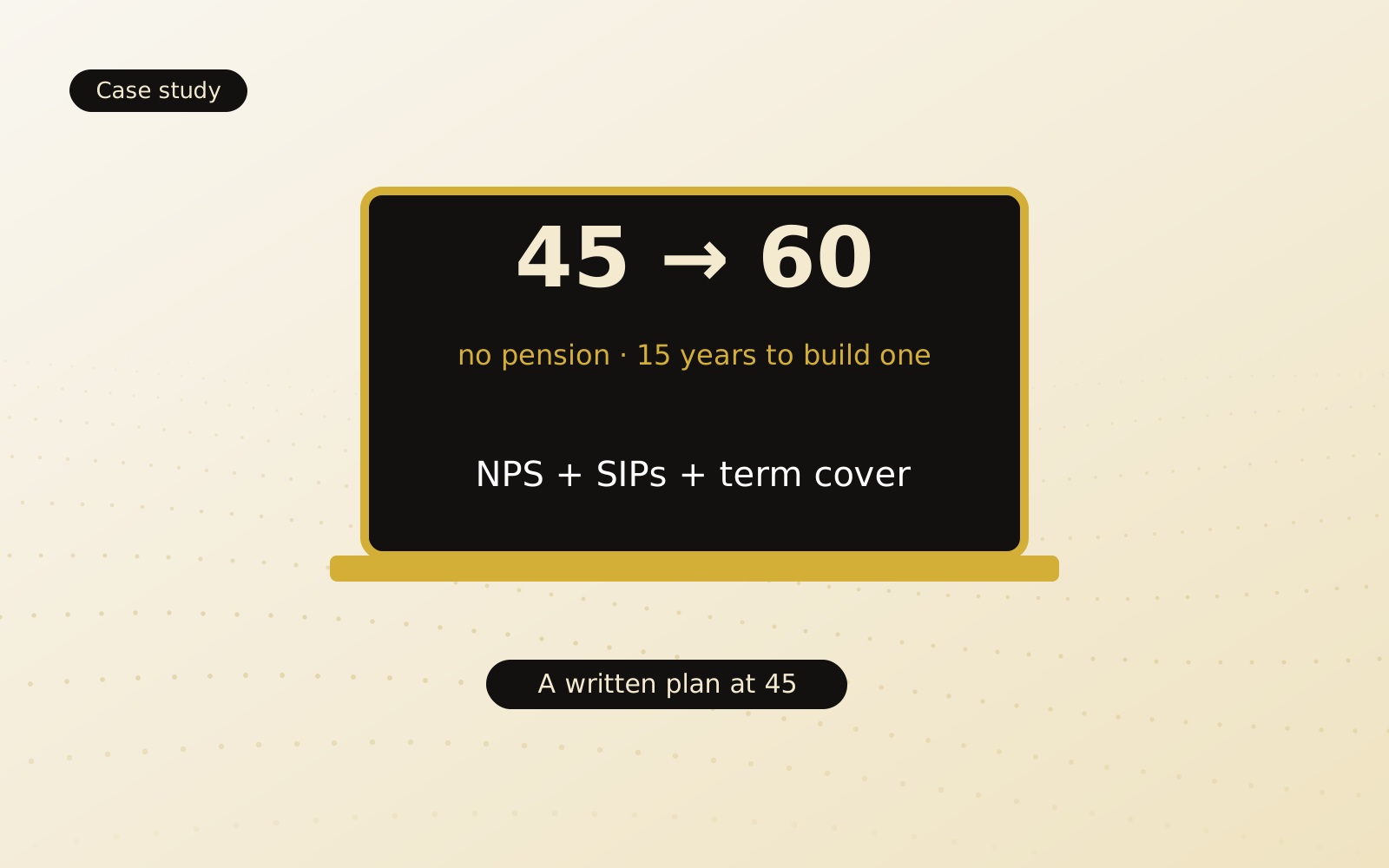
He has a written plan on two pages. The first page has the retirement number, the assumptions, and what NPS, the GPF-type account and the new SIP are each expected to contribute to it. The second page has the SIP schedule, the term plan details, the emergency-fund target and dates to review.
His family is covered by a term plan. The endowment policy is paid-up and no longer draining ₹36,000 a year. Two SIPs are running. The emergency fund exists.
He still does not know exactly how much he will have at 60. Nobody does. But he knows what he is aiming at and what he is doing every month to get there.
What you can take from this
If you are an NPS-era government employee, download your NPS statement today and read the allocation. Then write down what your household spends a month. Those two numbers are the start of your plan.
Do not stop an insurance policy, however poor, until replacement cover is in place. Sequence matters more than speed.
A GPF-type account is not an emergency fund. If you borrow from it for emergencies, you are borrowing from your own retirement.
The best time to work this out was at 30. The second best time is this week.
Shared with the client's consent. Names and some details changed. Every family's situation is different; nothing here is a recommendation for yours.
This article is for information only and is not investment, tax or legal advice. Figures are illustrative. Mutual fund investments are subject to market risks; read all scheme-related documents carefully before investing. Bhavya Sampada is an AMFI-registered Mutual Fund Distributor, ARN 266666.