Health cover for parents over 60: what to buy and what to check
Buy parents a separate senior policy, not a slot on your family floater. Check waiting periods, room-rent caps and co-pay before price, and disclose everything.

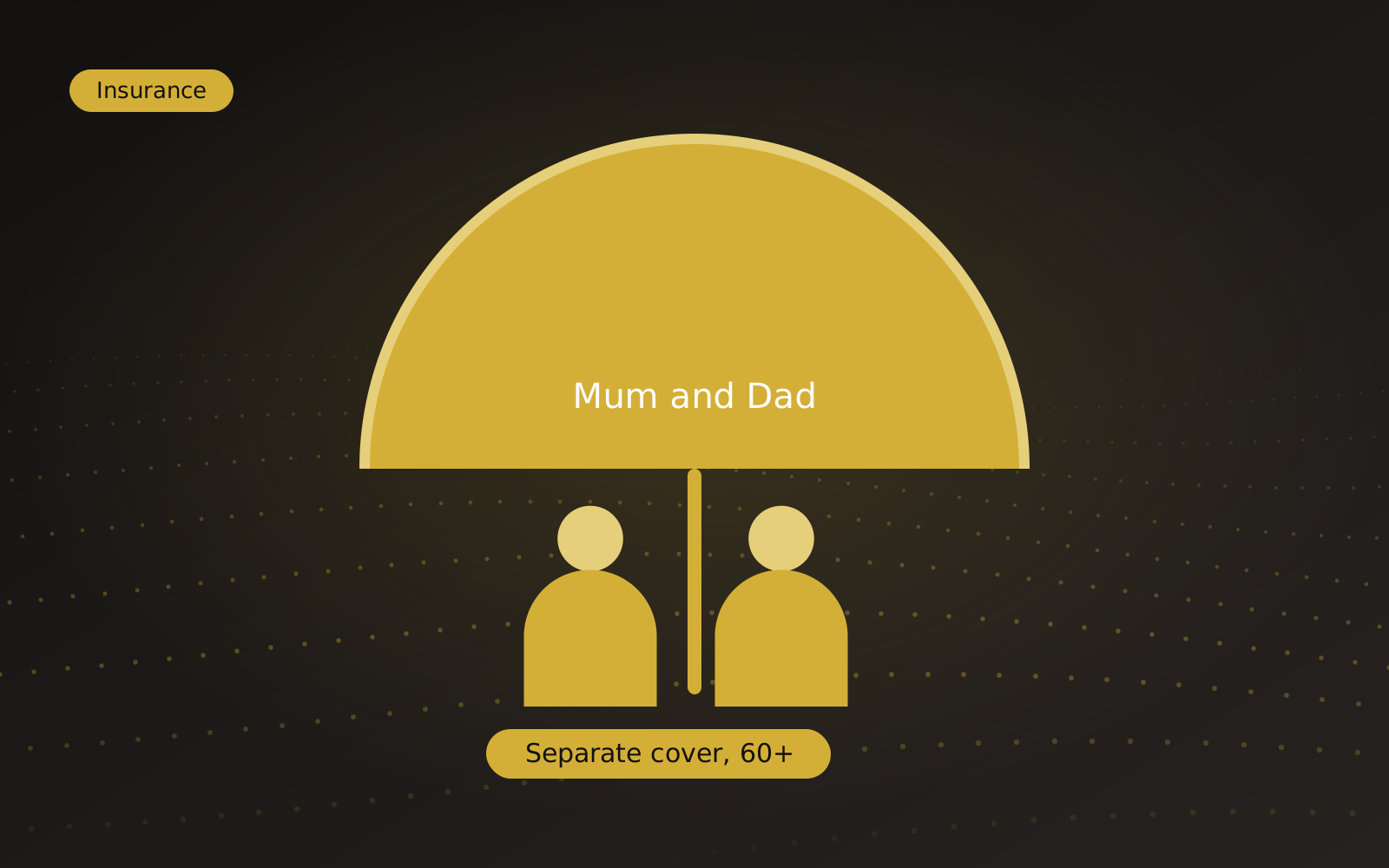
Buy your parents a separate health policy, not a place on your own family floater, and judge it on its terms before its price. For anyone over 60, the fine print on waiting periods, room rent and co-pay decides whether a claim is paid in full, in part, or not at all. This guide covers what to look for, how to stretch the cover with a super top-up, the tax deduction you get for paying, and what to do if a parent cannot be insured at all.
Why a separate policy, not the family floater
A family floater shares one sum insured among everyone on it, and its premium is set by the oldest member. Add a 68-year-old father to a floater with your spouse and two children and three things happen. The premium jumps for everyone. One hospital stay for him can use up the cover your children were relying on. And when he crosses the insurer's age limit, the whole policy may need restructuring.
A separate policy in the parents' names keeps their claims and their premium in their own box. It is almost always the cleaner choice, even when it looks more expensive on the first quote.
What to check before you compare premiums
Senior citizen plans differ far more in their conditions than in their price. Go through these in order:
- Waiting period for pre-existing conditions: diabetes, hypertension and heart conditions are common at this age. Shorter is better.
- Room-rent cap: if the cap is ₹5,000 a day and the hospital charges ₹8,000, many policies reduce the entire bill in proportion, not just the room charge.
- Co-pay: a 20 percent co-pay means you pay a fifth of every claim. Lower or zero co-pay is worth a higher premium.
- Sub-limits: caps on specific treatments such as cataract or knee replacement, exactly the procedures parents are likely to need.
- Restoration: whether the sum insured refills after a claim in the same year.
- Network hospitals near where they actually live, not near you. A cashless hospital in Secunderabad is no help to parents in Warangal.
Also check the renewal age. The policy should be renewable for life, and the insurer should not be able to drop them after a large claim.
Worth knowing
A ₹10 lakh policy with no room-rent cap and no co-pay is worth more than a ₹15 lakh policy with both.
Base plan plus super top-up
Senior premiums rise steeply with the sum insured, so a large single policy gets expensive. A common structure is a base plan of, say, ₹5 lakh combined with a super top-up of ₹15 or ₹20 lakh that starts paying once total claims in a year cross the base amount. The top-up is cheap relative to the cover it adds, because it rarely triggers.
The catch is that a super top-up has its own waiting periods and conditions. Read them separately. And make sure the deductible on the top-up matches the base plan's sum insured, or you will have a gap neither policy covers.
Section 80D, and disclosing everything
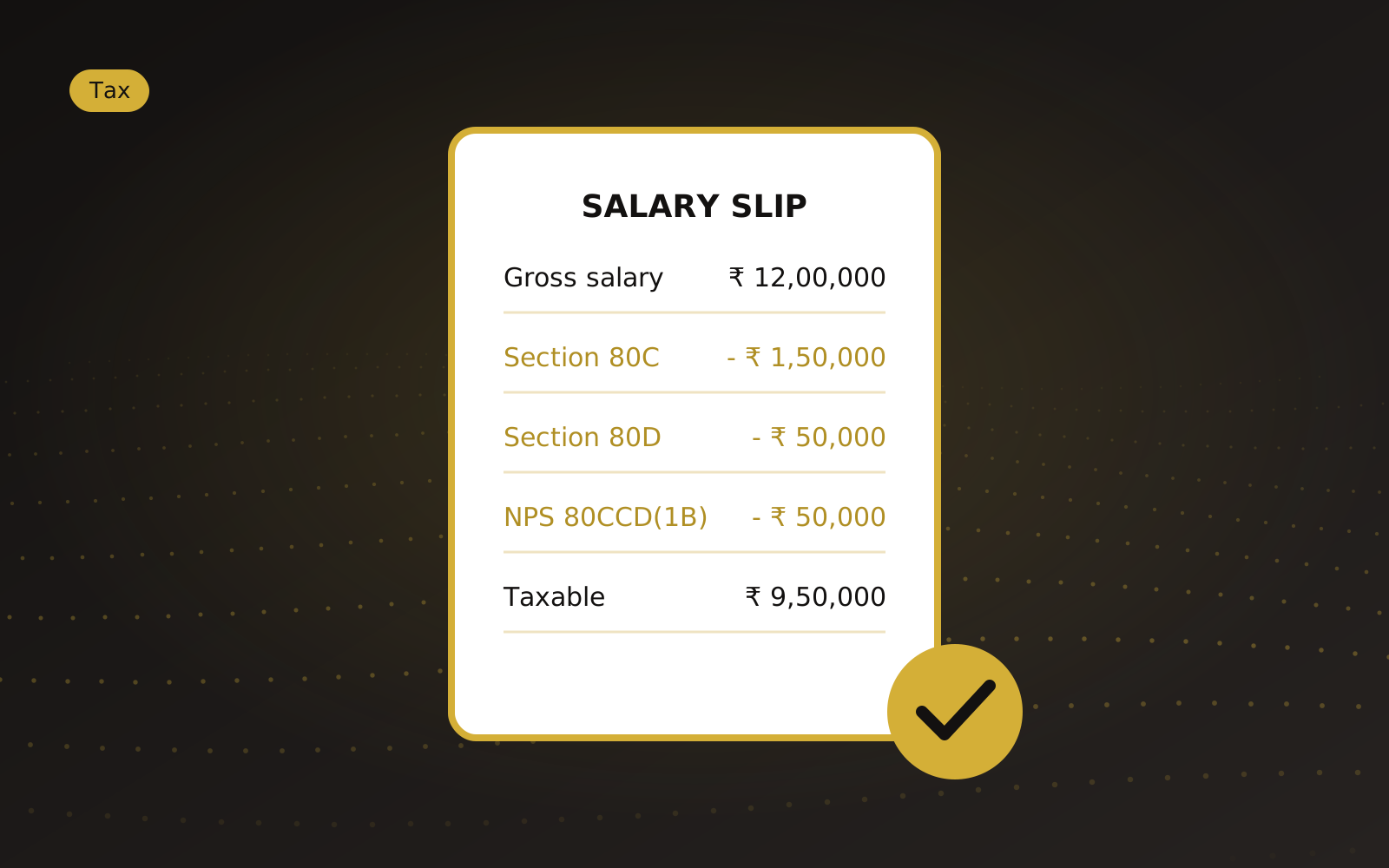
Under the old tax regime, the premium you pay for parents over 60 gets a deduction of up to ₹50,000 a year, separate from the limit for your own family. The policy should name a parent as the insured and you as the person paying; pay by any mode other than cash and keep the receipt. This deduction does not apply under the new regime, and limits change, so check the current year's rules.
The most common reason a senior citizen claim is rejected is not the illness. It is a condition that was not mentioned on the proposal form. Diabetes managed with one tablet, a stent from ten years ago, a thyroid condition: all of it goes on the form. Disclosure may raise the premium or add a waiting period. Non-disclosure can void the policy at the moment you need it most. We have seen families spend years fighting a claim over a blood-pressure tablet that was never declared.
Sit with your parents when they fill the form, attach the medical records, and keep a copy. The same applies to porting. If an existing policy has poor terms, you can port it to another insurer and carry over the waiting periods already served, but the new insurer will ask for full disclosure again.
If a parent cannot be insured
Sometimes an insurer declines a proposal because of a serious existing condition, or the premium is beyond reach. That is disappointing but not the end of the plan. Build a dedicated medical reserve fund in your parents' or your own name: a fixed deposit or a liquid mutual fund, kept separate from every other goal, topped up monthly. Say you set aside ₹10,000 a month; in a few years it is a meaningful cushion against a hospital stay. Pair it with any government or employer scheme they qualify for. Some retired government employees already have scheme cover; check before buying anything.
A reserve fund does not replace insurance, but a family with ₹4 lakh set aside is in a far better position than one hoping a claim will go through.
What to do this week
- Pull your parents' current policy and note the room-rent cap, co-pay and waiting period on one line.
- List the two hospitals nearest to where they live and check whether each is in the network.
- Write down every medication and diagnosis they have, ready for a proposal form.
If you want help reading a policy document line by line, our directors offer a free 30-minute review.
This article is for information only and is not investment, tax or legal advice. Figures are illustrative. Mutual fund investments are subject to market risks; read all scheme-related documents carefully before investing. Bhavya Sampada is an AMFI-registered Mutual Fund Distributor, ARN 266666.