How a Warangal couple cut their EMI without stretching the loan
A balance transfer was not the answer. A rate reset with the same lender, one part-prepayment and a shorter tenure cut the EMI and kept the retirement SIP running.

Names changed; shared with the client's consent.
Ravi and Sunitha came to us asking about a home-loan balance transfer, and left with something simpler and cheaper: a rate reset with their own lender, a part-prepayment from money that was sitting idle, and a shorter tenure. Their EMI went down, the loan got shorter, and their retirement SIP never stopped. This case walks through how we got there and why the obvious option was not the right one.
Where they started
Ravi, 38, works at a public sector bank in Warangal. Sunitha, 35, teaches at a private school. They have one daughter in primary school and a home loan taken in 2023 with about 17 years left to run.
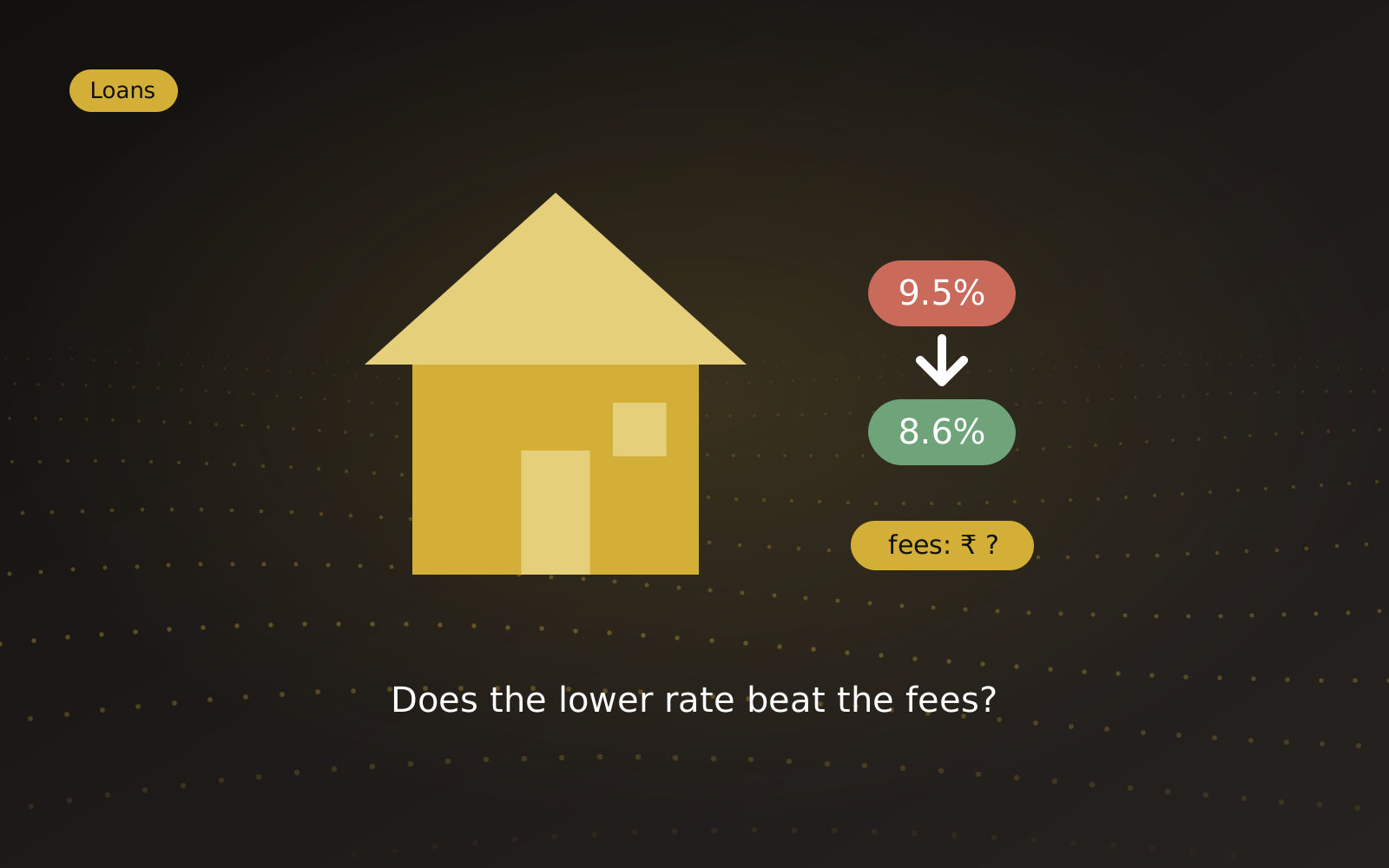
A colleague had told Ravi that a balance transfer could lower his rate. He had collected two quotes. Both new lenders were happy to extend the tenure back to 20 years to make the monthly number look smaller.
Both had a term plan. Ravi had a retirement SIP of ₹12,000 a month, started three years earlier. Sunitha held a fixed deposit of about ₹6 lakh that had matured and was auto-renewing, with no goal attached to it.
Their question was narrow: which transfer offer should we take? We asked to look at the whole loan first.
What we found
Three things stood out when we read the loan statement and the two quotes side by side.
First, Ravi's loan was on an older benchmark with a spread that had not been reviewed since the loan started. His own lender offered a rate-reset facility for a one-time fee. Nobody had told him this was an option. The reset would bring his rate close to what the new lenders were quoting, without the paperwork, the fresh legal and valuation charges, or the processing fee of a transfer.
Second, both transfer quotes quietly stretched the tenure. A 20-year loan at a slightly lower rate looks cheaper per month, but the total interest paid over the life of the loan goes up, not down. The lower EMI was mostly the longer tenure talking, not the rate.
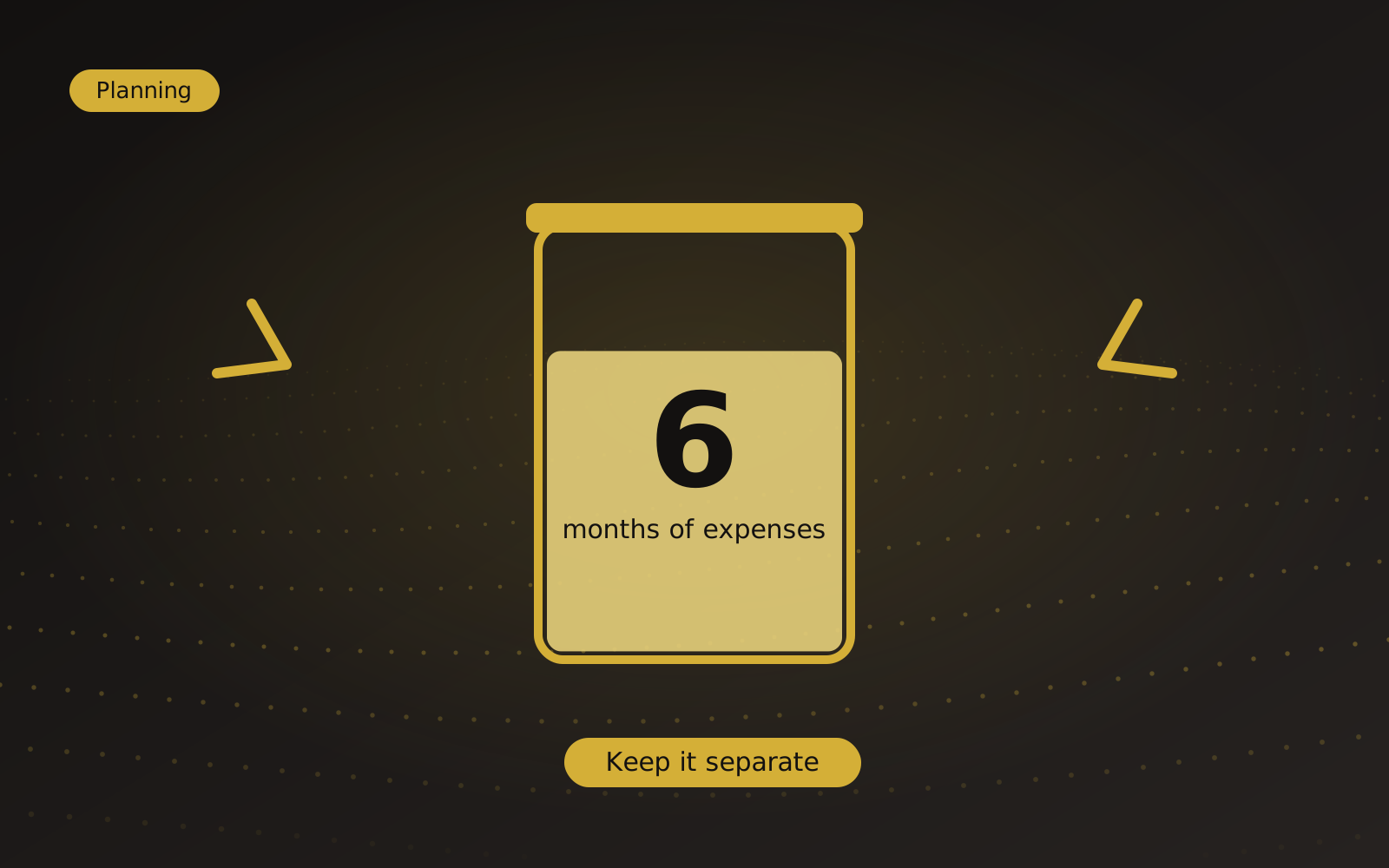
Third, Sunitha's fixed deposit had no goal, their emergency fund was already in place elsewhere, and it earned less than the loan cost them. Using part of it as a prepayment was the cleanest win on the table.
Worth knowing
Before you move a loan to a new lender, ask your current lender for a rate reset. It is often the same result at a fraction of the cost and effort.
What we did
We laid out three options in a one-page comparison: transfer as quoted, reset with the current lender and keep the EMI, or reset plus prepay plus shorten the tenure. For each we showed the monthly EMI, the years left, and the one-time costs.
Ravi chose the third option. Here is what happened in order.
- He applied for the rate reset with his own lender and paid the one-time fee. This took two visits and one week.
- Sunitha broke the fixed deposit at renewal and they made a part-prepayment of ₹5 lakh, keeping ₹1 lakh aside as a buffer.
- Instead of taking the lower EMI the reset allowed, they asked the lender to apply most of the benefit to tenure. They settled on an EMI that was lower than before but not as low as it could have gone.
- We confirmed in writing that the loan had no prepayment penalty.
- The retirement SIP of ₹12,000 stayed exactly as it was. We did not touch it, and we did not suggest pausing it to prepay faster.
What changed
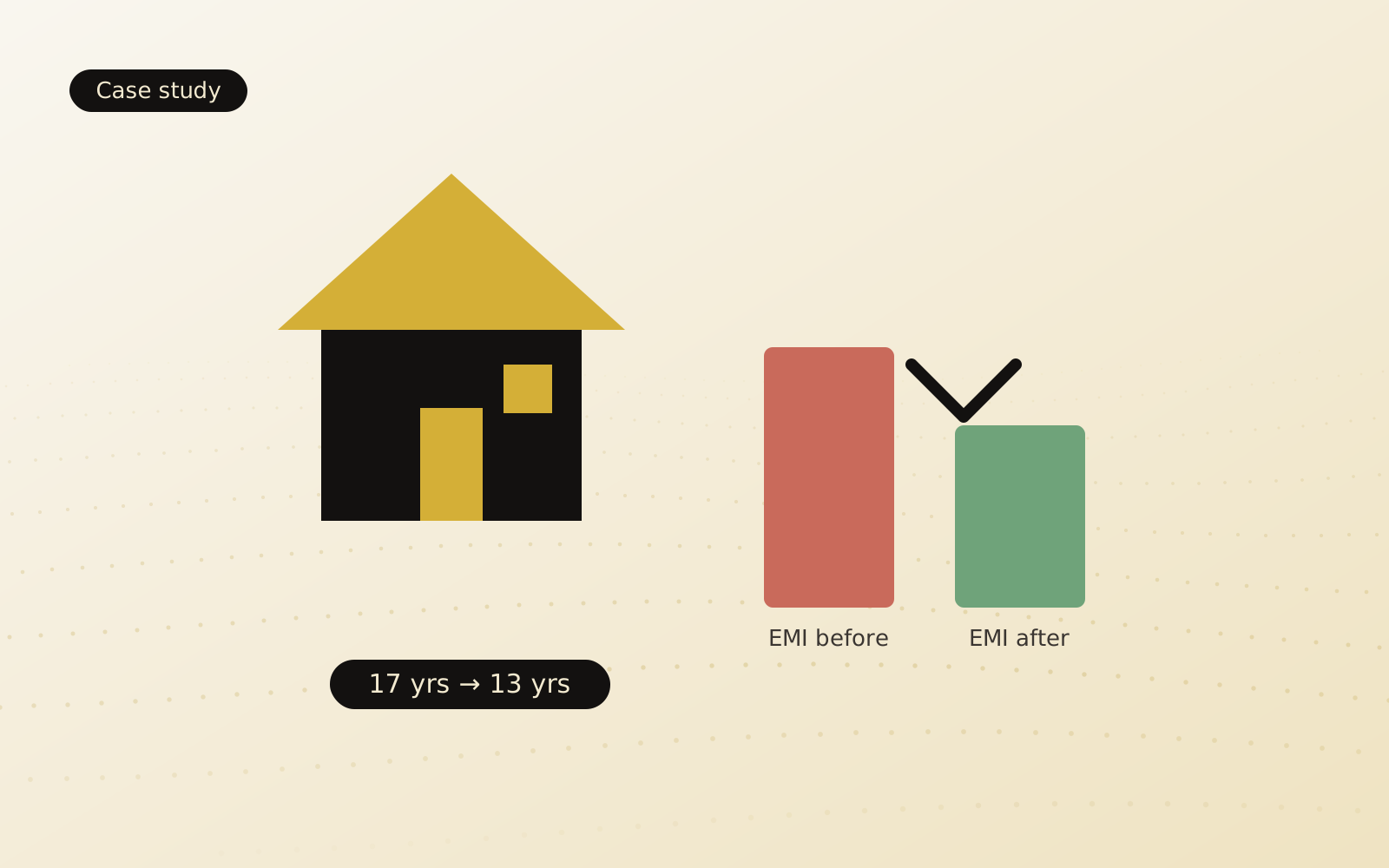
Say the original EMI was ₹38,400 a month with 17 years remaining. After the reset and the prepayment, the EMI came down to about ₹34,300, a reduction of roughly ₹4,100 a month, and the tenure shortened to about 13 years. These are illustrative figures from their case; your numbers will differ with your rate and balance.
They avoided the transfer processing fee, legal charges and a fresh set of documents.
The ₹4,100 a month they freed up went half into a new SIP for their daughter's higher education and half into a bigger emergency fund, since Sunitha's school income is less predictable than Ravi's.
Nothing about their retirement plan changed. That was the one thing we were firm on.
What you can take from this
A balance transfer is a tool, not a reflex. It makes sense when your current lender refuses to reset your rate or when the gap is large even after reset fees. It often does not make sense when the new lender's lower EMI depends on a longer tenure.
A few questions to ask before you move a loan:
- Has my current lender been asked for a rate reset, and what does it cost?
- Does the new EMI come from a lower rate or from a longer tenure?
- Is there idle money, like a matured fixed deposit with no goal, that could prepay part of the loan?
- Would shortening the tenure serve me better than lowering the monthly payment?
- Can I do all this without stopping my retirement SIP?
If you cannot answer the first question, start there. Ask your lender in writing; it costs nothing. Check the current year's rules on prepayment charges before you commit.
Shared with the client's consent. Names and some details changed. Every family's situation is different; nothing here is a recommendation for yours.
This article is for information only and is not investment, tax or legal advice. Figures are illustrative. Mutual fund investments are subject to market risks; read all scheme-related documents carefully before investing. Bhavya Sampada is an AMFI-registered Mutual Fund Distributor, ARN 266666.